
Getting Overton County Court Records
Begin with three details: the court, the case, and the document. Circuit Court Clerk handles files for Circuit, Criminal, and General Sessions. Chancery, probate-related Chancery work, and Juvenile matters go to the Clerk & Master. Livingston ordinance and city traffic files sit with the City Court Clerk. The County Clerk does not keep these trial files.
The county offers no online trial docket. Call or email the right clerk, stop at the counter, or mail a focused request. Tennessee Public Case History covers appellate cases only. A Tennessee Public Records Act request should identify existing records. It should not ask staff to compile a new report.
- Identify the court, case number, party name, and date.
- Name the docket, filing, order, judgment, or file sought.
- Choose phone, email, mail, or an in-person request.
- Ask about inspection and request a copy estimate.
- Specify plain, certified, or exemplified copies.
Overton Records Have Split Custody
Current Tennessee court directories list Lori Hammock as Circuit Court Clerk and Julie Raines as Clerk & Master. Older county pages still show former officeholders. Confirm the current contact before mailing any request. Those older pages still describe office functions and locations, so they remain useful for that purpose. The AOC clerk directory shows the newer Circuit Court Clerk listing.
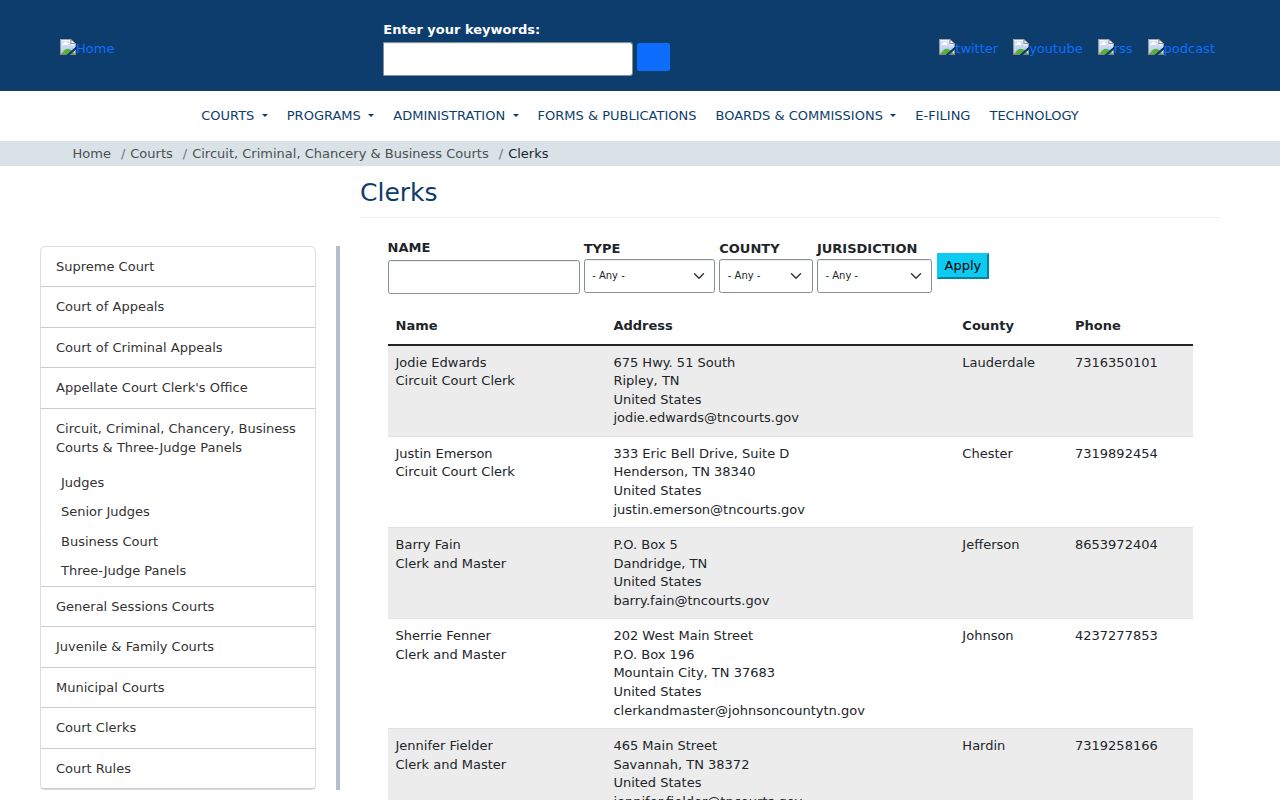
This current state listing helps resolve the difference with the legacy county page.
Circuit Court Clerk
1000 John T. Poindexter Drive
Livingston, TN 38570
931-823-2312
Clerk & Master
100 East Court Square, Suite 100
P.O. Box 127, Livingston, TN 38570
931-823-2536
Overton County Court Record Types
A docket is an index, not the whole file. Depending on the court and its access rules, the file may hold a complaint or petition, answers, motions, notices, orders, judgments, costs, and a disposition. Chancery files can involve probate or delinquent-tax work. Livingston Municipal files cover city ordinance and local traffic matters.
- Docket sheets and chronological entries
- Pleadings, motions, notices, and responses
- Orders, judgments, and dispositions
- Court minutes and Chancery accounting records
- Plain, certified, or exemplified copies
Transcripts may take a separate court-reporter request. Exhibits can get special handling, and juvenile, sealed, or redacted material may not come out through an ordinary public request.
Specific Overton Requests Work
Be precise in the request itself. Give the court, case number if known, case style, date range, and the exact document. Say whether you want inspection or copies. Asking for a signed order by date beats asking for every paper in a matter. The Open Records Counsel guidance explains specific requests and response timing.
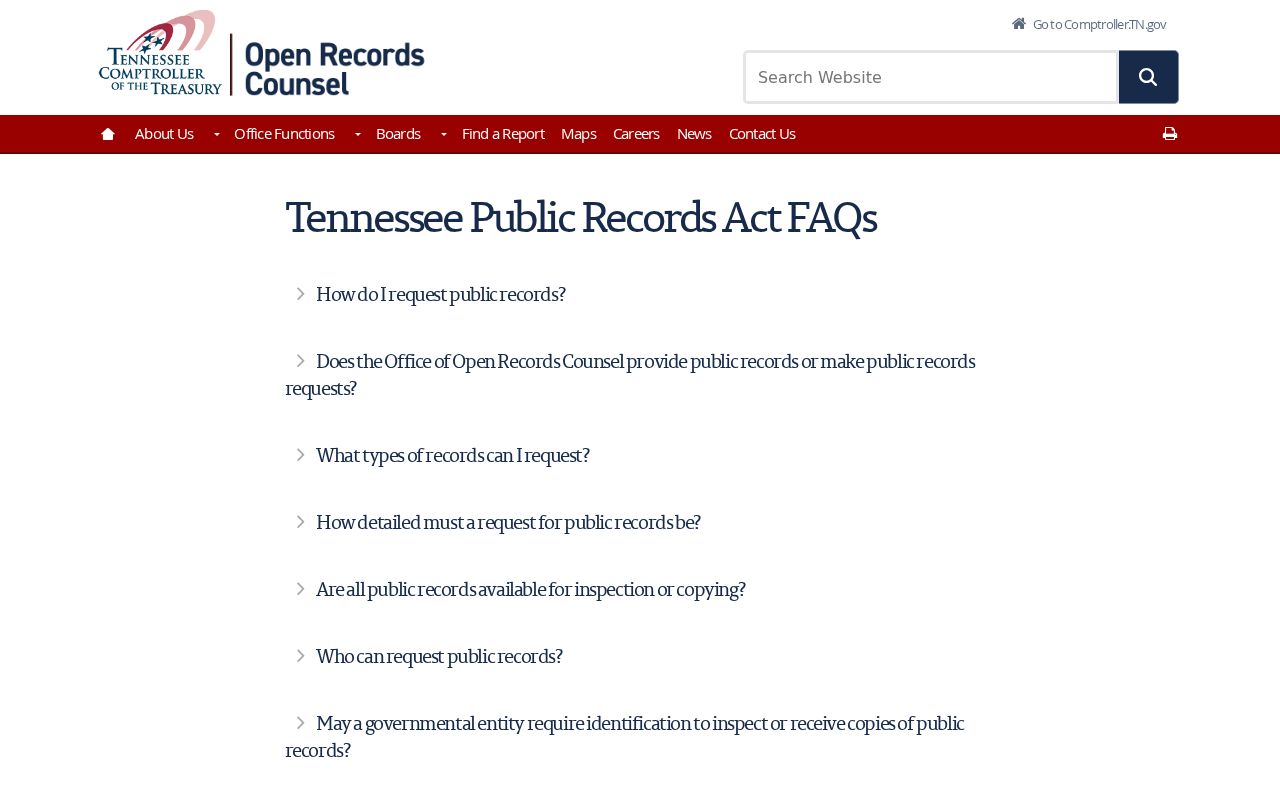
That response framework does not promise every copy order will be finished within seven business days.
Inside an Overton County Court Record
No private Overton case was opened here. These fields come from official Tennessee documentation, not a sample case.
| Case number | The court's main identifier. |
|---|---|
| Case style | The caption for the matter. |
| Filings | Dated pleadings, motions, and notices. |
| Settings | Hearings, docket calls, trials, and resets. |
| Orders | Signed rulings and judgment entries. |
| Status | Pending or disposed status when available. |
A filed claim is not a judicial finding. Read the entries in order, and rely on the signed order for the court's actual ruling.
Overton Copy Products Differ
Know the three copy products before you order. A plain copy is an ordinary reproduction. A certified copy carries the clerk's attestation, and an exemplified copy adds formal authentication. Ask the receiving body what it requires. Electronic delivery is not assured, and large or older files may need added search time, so plan for both.
- Plain copy
- A reproduction without certification.
- Certified copy
- A copy bearing the clerk's certification.
- Exemplified copy
- A higher level of authentication when required.
- Docket sheet
- The event index, not all underlying documents.
Match the product to the task. A current docket sheet may be enough to trace the sequence of events. Yet it may not state every term in a ruling. A signed order supplies those terms. Another public body may demand a certified disposition as formal proof of the outcome. Naming the exact item spares the clerk from guessing. It makes clear which page or certification you need.
Ask about payment and delivery before sending funds. The county page lists payment methods for the Circuit Clerk. It does not confirm that each method works for mailed copy orders. The Clerk & Master may follow a different process. Getting written confirmation of the estimate, copy type, and delivery method cuts down on delay.
Fees and Certified Copies
The county publishes no official court-copy fee schedule. State guidance does not prove a local court adopted each listed amount. The Circuit Clerk page names cash, money orders, debit cards, and credit cards, but no copy price appears there.
| Item | Overton amount | Action |
|---|---|---|
| Record inspection | Generally no inspection charge | Confirm access first. |
| Plain copy | Not published | Ask for an estimate. |
| Certified copy | Not published | Name the document. |
| Exemplified copy | Not published | Confirm availability. |
| Delivery | Not published | Ask about prepayment. |
The Register of Deeds fee PDF is not a court fee schedule. Land records run through a separate system.
When Overton Records Are Offline
A blank result can mean several things. The name was spelled wrong, or the case sits in a paper file. Access may also be limited by law. It could also mean the docket simply is not online. TnCIS runs in Overton court settings. The county directory shows no working public endpoint. When the online path fails, call the clerk who serves that court directly.
Know which tool you are using. Tybera is a login-gated filing system, not a public viewer for court records. Tennessee Public Case History covers appellate matters only, and even that coverage has limits. Neither one replaces a county-level docket search at the trial court.
If a search stalls, work the problem in order. Start by matching the caption and case number to your court papers. Figure out whether the matter is trial-level or appellate. Then call the right office. Give staff a narrow date range. Say exactly what you want: to inspect the file, get a docket sheet, obtain a signed order, or confirm the disposition. That request separates a search failure from a real custody problem.
Timing matters too. A new filing may not show up right away. Some old files were never scanned. Restricted cases can leave almost no public trace at all. The clerk can tell you whether a public index exists and how to request records. Only the court, though, can change a sealing order.
Overton Historical Records Need Context
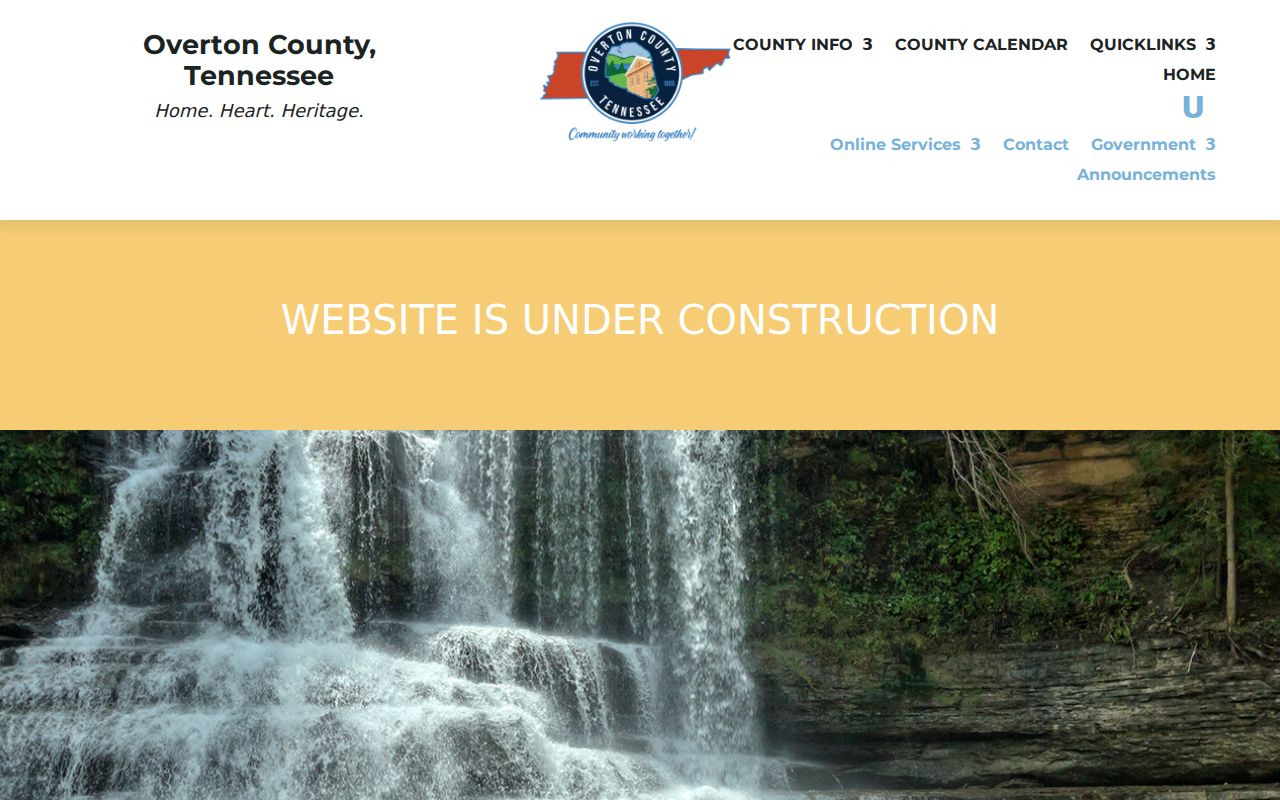
Old Overton County records carry quirks you should know. The county formed in 1806. A courthouse fire in 1865 destroyed part of the early record set. So a missing item does not prove the case never existed. County lines also shifted over time. An event tied to Overton today may have been filed under a different county or court structure back then. The county history page lays out this background and the events that shaped what survived.
Frame any historical request with care. Include name variants and a year range. State the court type and the record series you want searched. For estate matters, ask whether the case ran through Chancery or another probate-related series. Land disputes may sit in court papers and in separate deed records. Check both. The clerk may say Overton County does not hold that period. If so, ask which archive received the record group. The Tennessee State Library and Archives is often the next stop. It is not, however, the first place to go for a current Overton case.
Sealed Records and Public Access
Tennessee Supreme Court Rule 34 opens court records to the public by default. A statute, a rule, a protective order, or a sealing order can still close them. Public access does not put everything online. Redactions often strip personal identifiers and protected addresses. They also remove medical data and financial details. The Rule 34 page spells out the full framework.
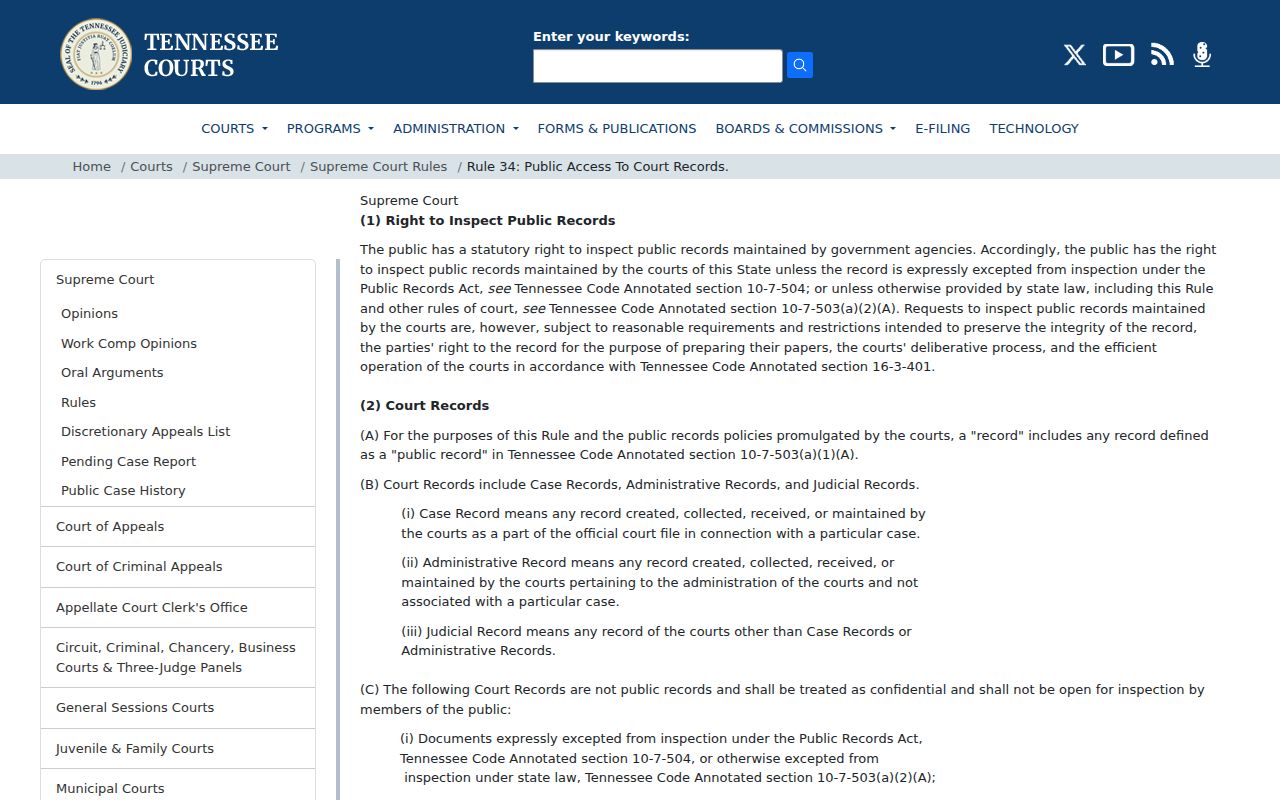
Juvenile access is separate under Tennessee Rule of Juvenile Procedure 114.
Key rules: Rule 34 governs court-record access. Tenn. Code Ann. §§ 10-7-503 and 10-7-505 guide specific public-record requests. Rule 114 controls juvenile confidentiality.